PCI Developers Navbar

Category: corporis

  • Why PCI-Compliant Payment Applications Are Essential for Businesses in 2026

    Why PCI-Compliant Payment Applications Are Essential for Businesses in 2026

    As digital payments continue to grow worldwide, businesses must ensure that their payment systems are secure, reliable, and compliant with industry regulations. Cybersecurity threats and data breaches have made payment security a top priority for companies handling card transactions.

    This is where PCI-compliant payment applications become essential. Companies that develop or use payment software must follow strict security standards to protect sensitive cardholder data.

    Professional development teams like PCI App Developers specialize in building secure and fully compliant payment applications that help businesses process transactions safely and efficiently.


    What Is PCI Compliance?

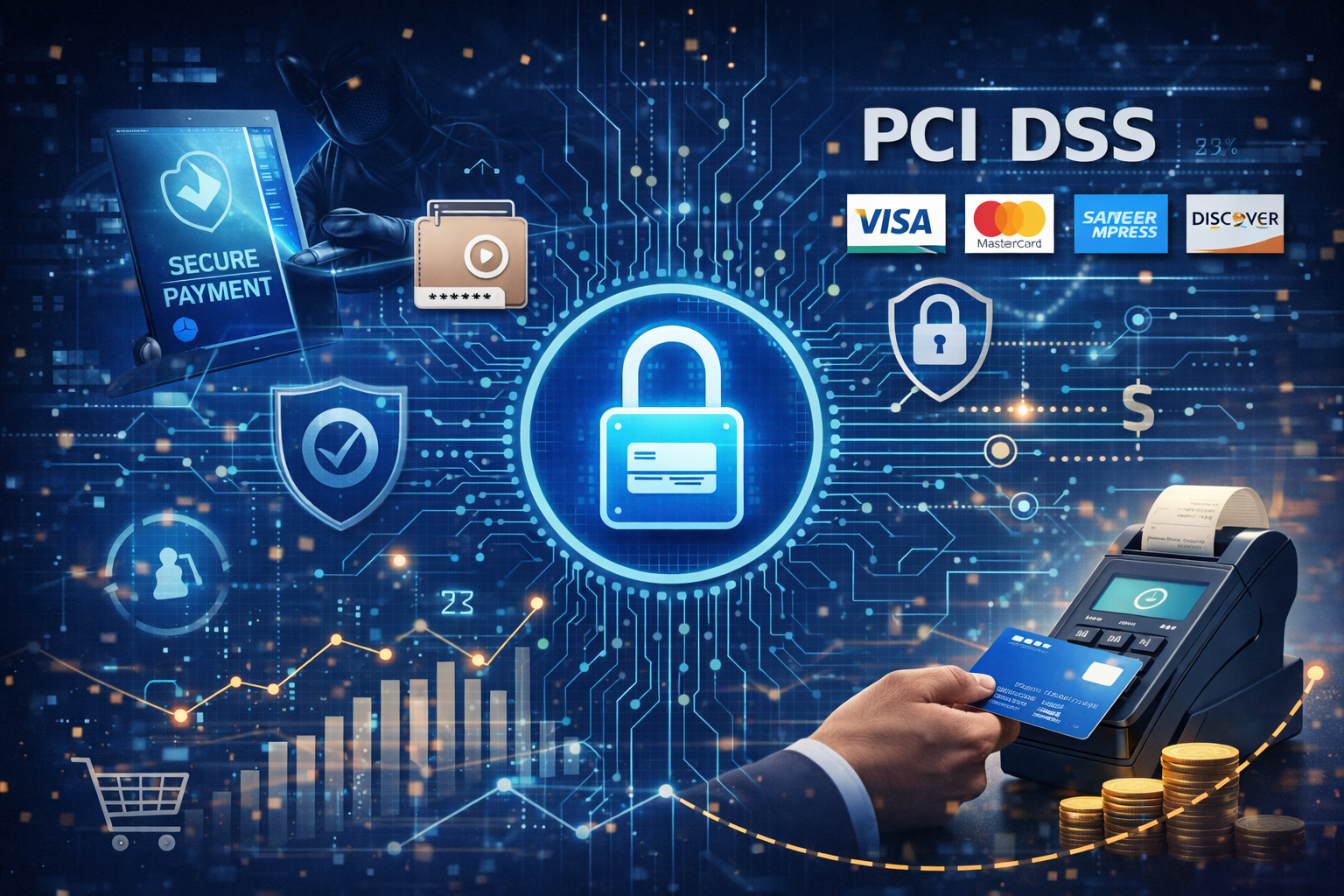
    PCI compliance refers to the Payment Card Industry Data Security Standard (PCI DSS), a global security standard designed to protect credit card information during payment processing.

    The standard was created by the Payment Card Industry Security Standards Council, which is supported by major payment networks such as:

    • Visa Inc.
    • Mastercard
    • American Express
    • Discover Financial Services

    Businesses that process, store, or transmit cardholder data must follow these security guidelines.


    Why PCI-Compliant Applications Matter

    Developing PCI-compliant applications ensures that payment systems are protected from fraud, data theft, and cyberattacks.

    1. Protects Customer Data

    Secure payment applications encrypt sensitive card information, preventing unauthorized access.

    2. Reduces Risk of Data Breaches

    Following PCI DSS standards significantly reduces the chances of financial and reputational damage caused by security breaches.

    3. Builds Customer Trust

    Customers are more confident making payments when they know their financial data is protected.

    4. Avoids Compliance Penalties

    Companies that fail to follow PCI standards may face heavy penalties and restrictions from payment networks.


    Key Features of PCI-Compliant Payment Applications

    Secure Payment Processing

    Applications must use advanced encryption and tokenization to secure cardholder data.

    Strong Authentication

    Multi-factor authentication ensures that only authorized users can access payment systems.

    Data Encryption

    All payment information must be encrypted during storage and transmission.

    Continuous Security Monitoring

    Regular vulnerability scanning and monitoring help identify and prevent potential security threats.
  • Top Mistakes Businesses Make During PCI Compliance Implementation

    Top Mistakes Businesses Make During PCI Compliance Implementation

    In today’s digital-first economy, payment security is not just a requirement — it’s a responsibility. Every business that handles credit or debit card transactions must follow the Payment Card Industry Data Security Standard (PCI DSS) to protect sensitive cardholder data.

    Yet, many companies still struggle to achieve full PCI compliance. The result? Data breaches, financial penalties, and — worst of all — loss of customer trust.

    At PCIAppDevelopers.com, we’ve seen how even the most well-intentioned businesses make small mistakes that can have huge consequences. Here are the top PCI compliance mistakes you should avoid in 2025.


    ❌ 1. Treating PCI Compliance as a One-Time Task

    One of the most common mistakes is thinking PCI compliance is something you achieve once and forget.
    In reality, it’s an ongoing process that requires continuous monitoring, updates, and reviews.

    Fix it:

    • Conduct regular security audits.
    • Keep up with PCI DSS version updates.
    • Train your staff periodically on compliance protocols.

    Compliance isn’t a checkbox — it’s a mindset.


    🔓 2. Storing Cardholder Data Unnecessarily

    Many businesses make the critical error of storing full credit card information without proper encryption or tokenization.
    This greatly increases your risk in case of a data breach.

    Fix it:

    • Never store full PAN (Primary Account Number) or CVV codes.
    • Use tokenization and end-to-end encryption.
    • Partner with PCI-compliant payment gateways to minimize data exposure.

    Remember, the less data you store, the safer you are.


    🧑‍💻 3. Ignoring Internal Threats

    Most companies focus on external cyberattacks but forget that internal breaches — whether accidental or malicious — can be just as damaging.

    Fix it:

    • Implement role-based access controls.
    • Use audit logs to track user activity.
    • Educate employees about phishing and data handling.

    Your people can be your greatest strength — or your weakest link.


    🛠️ 4. Using Outdated Software & Infrastructure

    Legacy systems often lack the encryption and security protocols needed for PCI DSS compliance.
    Running outdated versions of databases or payment systems is an open invitation for hackers.

    Fix it:

    • Regularly update your POS systems, databases, and servers.
    • Use automated vulnerability scanning tools.
    • Work with a certified PCI app development team to modernize your software.

    📄 5. Poor Documentation & Testing

    Even if your systems are secure, missing documentation can still get you flagged as non-compliant.
    PCI DSS requires thorough documentation of processes, controls, and incident responses.

    Fix it:

    • Keep detailed compliance records.
    • Perform regular penetration tests and risk assessments.
    • Maintain an updated incident response plan.

    Documentation isn’t paperwork — it’s proof that you’re protecting your customers.


    🚀 Final Thoughts

    Achieving PCI compliance is not about avoiding fines — it’s about building customer trust and ensuring secure transactions.
    Avoiding these common mistakes can save your business from financial losses and brand damage.

    At PCIAppDevelopers.com, we help companies design PCI-compliant applications that meet every standard — from encryption to real-time monitoring.

    Because in 2025, security isn’t optional — it’s your strongest competitive advantage.