As digital payments continue to grow worldwide, businesses must ensure that their payment systems are secure, reliable, and compliant with industry regulations. Cybersecurity threats and data breaches have made payment security a top priority for companies handling card transactions.
This is where PCI-compliant payment applications become essential. Companies that develop or use payment software must follow strict security standards to protect sensitive cardholder data.
Professional development teams like PCI App Developers specialize in building secure and fully compliant payment applications that help businesses process transactions safely and efficiently.
What Is PCI Compliance?
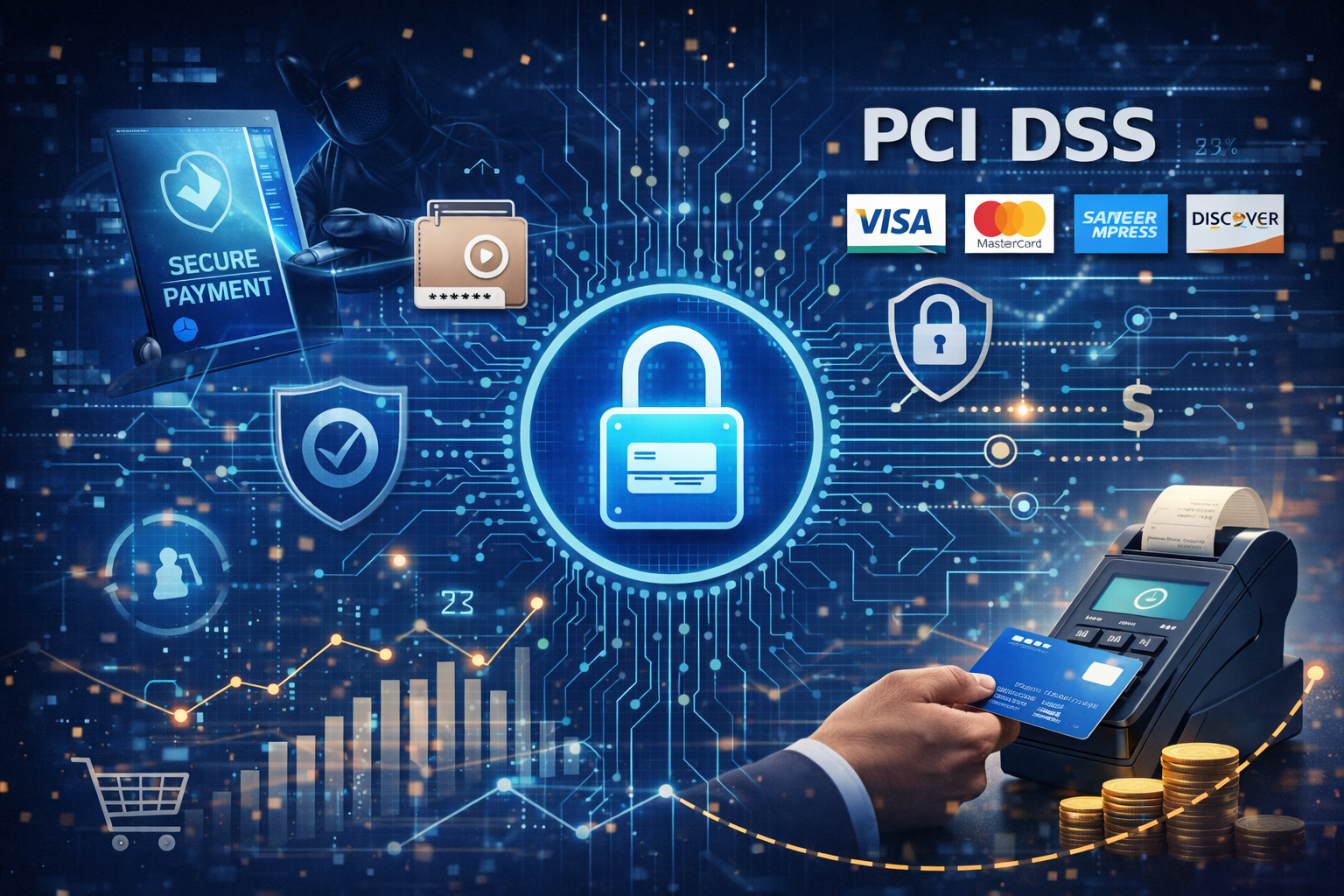
PCI compliance refers to the Payment Card Industry Data Security Standard (PCI DSS), a global security standard designed to protect credit card information during payment processing.
The standard was created by the Payment Card Industry Security Standards Council, which is supported by major payment networks such as:
- Visa Inc.
- Mastercard
- American Express
- Discover Financial Services
Businesses that process, store, or transmit cardholder data must follow these security guidelines.
Why PCI-Compliant Applications Matter
Developing PCI-compliant applications ensures that payment systems are protected from fraud, data theft, and cyberattacks.
1. Protects Customer Data
Secure payment applications encrypt sensitive card information, preventing unauthorized access.
2. Reduces Risk of Data Breaches
Following PCI DSS standards significantly reduces the chances of financial and reputational damage caused by security breaches.
3. Builds Customer Trust
Customers are more confident making payments when they know their financial data is protected.
4. Avoids Compliance Penalties
Companies that fail to follow PCI standards may face heavy penalties and restrictions from payment networks.
Key Features of PCI-Compliant Payment Applications
Secure Payment Processing
Applications must use advanced encryption and tokenization to secure cardholder data.
Strong Authentication
Multi-factor authentication ensures that only authorized users can access payment systems.
Data Encryption
All payment information must be encrypted during storage and transmission.
Continuous Security Monitoring
Regular vulnerability scanning and monitoring help identify and prevent potential security threats.