PCI Developers Navbar

Tag: pciappdeveloper

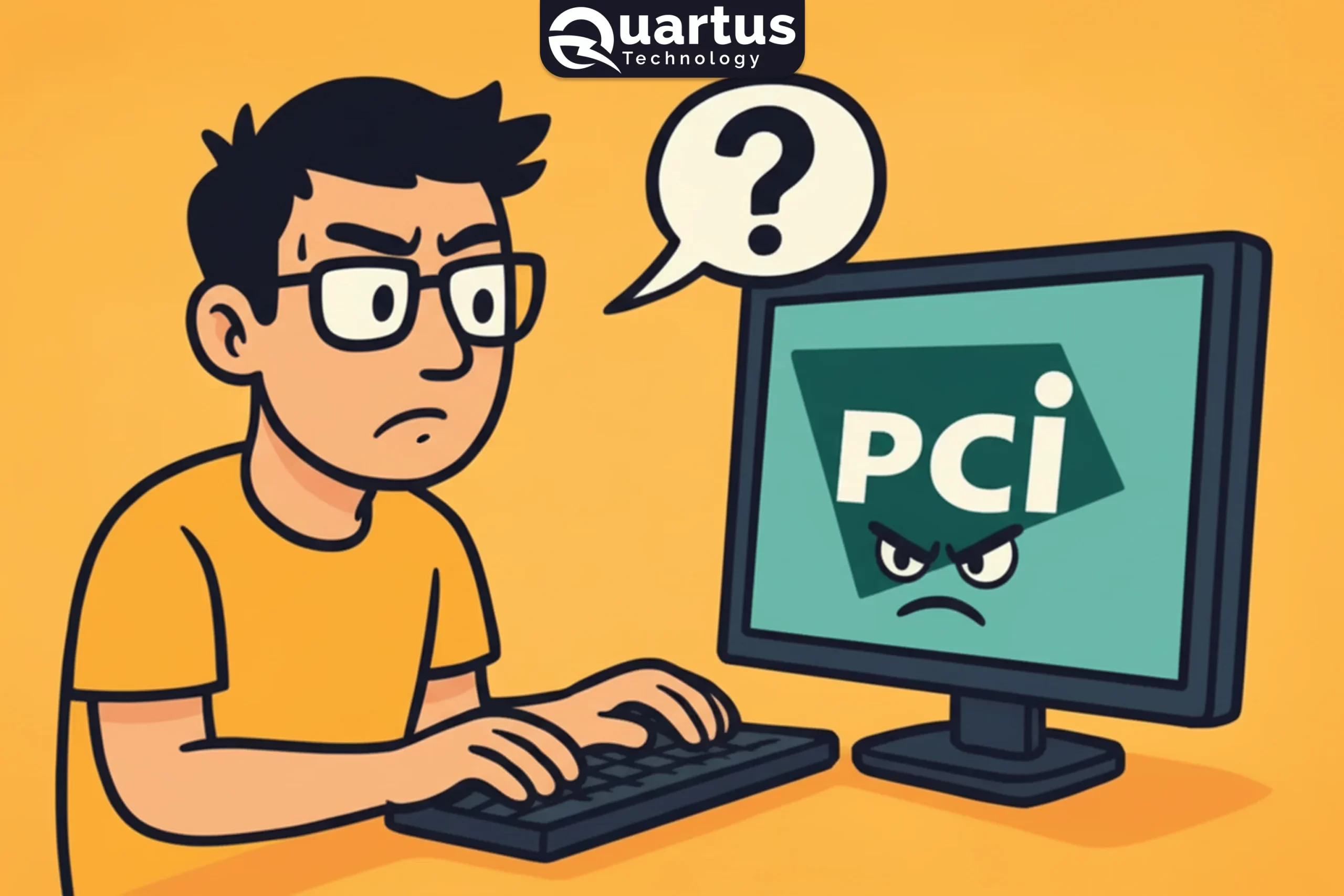
  • Why PCI Compliance Feels Like That One Friend Who Always Judges You

    Why PCI Compliance Feels Like That One Friend Who Always Judges You

    Let’s be honest — PCI compliance sometimes feels like that one overly cautious friend who keeps asking,

    “Are you sure your password has 12 characters, 3 emojis, and a blood sample?”

    But here’s the twist — in 2025, PCI isn’t just about boring rules. It’s actually your coolest security buddy (if you know how to deal with it).

    So, let’s break down the funny — yet real — side of PCI compliance every developer secretly relates to.


    💳 1. PCI Says: Don’t Store Card Data.

    Developers: “But I need it!”
    PCI: “No.”
    Developers: “Just the last four digits?”
    PCI: “NO!”

    This is where every developer realizes that PCI isn’t flexible. It’s like that strict parent who says,

    “My house, my rules.”

    But hey — at least PCI keeps your users’ data safer than your Netflix password.


    🕵️ 2. The Annual Audit Drama

    Every year, developers act calm until the auditor shows up. Suddenly everyone’s deleting test data, updating passwords, and pretending they’ve been compliant all year long.

    “Oh, these 47 log files? Totally reviewed daily!”
    Sure you did, buddy. 😏


    🔐 3. Encryption – The Love-Hate Relationship

    PCI: “Encrypt everything.”
    Developers: “Even this?”
    PCI: “Yes.”
    Developers: “Even THAT?”
    PCI: “YES!”

    By the time you finish encrypting every byte, your database feels like Fort Knox.
    But hey, at least hackers will need divine intervention to get in.


    🧾 4. Documentation – The Real Boss Level

    You thought coding was hard?
    Wait till you meet the 200-page PCI compliance checklist.

    Developers end up writing documentation that sounds like:

    “We verify access logs every full moon while chanting secure code prayers.”

    But trust us — that documentation saves you when the auditor asks,

    “Can you prove you’re compliant?”


    😂 5. The “PCI Checklist” Group Chat

    If PCI compliance had a WhatsApp group, it would look like this:

    PCI: “Update your software.”
    Developers: “Done!”
    PCI: “Enable MFA.”
    Developers: “Done!”
    PCI: “No, really. Do it again.”
    Developers: “😑”

    It’s never-ending. But it’s also the reason your payment app doesn’t end up in a cybercrime headline.


    🚀 6. Why PCI Compliance Is Actually Your Secret Superpower

    Behind all the jokes and audits, PCI is what makes your payment app trustworthy.
    It’s the invisible shield protecting your users, your company, and your code.

    So yes — PCI may nag, but it’s also the reason your app doesn’t crash when the hackers come knocking.


    🎯 Final Thoughts

    PCI compliance isn’t the villain of your payment story — it’s the quirky superhero wearing mismatched socks.

    Once you learn its rules (and laugh through the chaos), you realize it’s the ultimate partnership between security and sanity.

    So next time you grumble about compliance, just say:

    “Thanks, PCI — for being the annoying friend who actually saves my life.” 💳🦸‍♂️

  • Why PCI Compliance Is the Backbone of Secure Digital Payments in 2025

    Why PCI Compliance Is the Backbone of Secure Digital Payments in 2025

    In 2025, digital transactions are at the heart of global commerce. From eCommerce to mobile wallets and POS systems, the world depends on seamless and secure payment experiences. Yet, behind every secure transaction lies one crucial standard — PCI Compliance. For developers and businesses alike, PCI DSS (Payment Card Industry Data Security Standard) remains the backbone of payment security, ensuring trust, protection, and regulatory integrity in every transaction.


    1. What Is PCI Compliance and Why It Matters

    PCI Compliance refers to a set of security standards designed to protect sensitive cardholder information during and after a transaction. It is not just a technical requirement — it’s a security framework that ensures your customers’ payment data is shielded from breaches, fraud, and cyberattacks.
    In 2025, as data thefts become more sophisticated, PCI compliance has evolved to include stronger encryption, tokenization, and real-time fraud monitoring.


    2. The Role of PCI Compliance in Digital Transformation

    Businesses are rapidly shifting to digital-first ecosystems, integrating multiple payment gateways, mobile apps, and cloud systems. PCI Compliance acts as the trust layer that connects this digital evolution securely.
    Without it, companies risk both financial and reputational damage. A single data breach could result in massive fines, loss of customers, and suspension of payment services.


    3. Key PCI DSS Requirements Developers Must Follow

    Developers play a central role in implementing PCI DSS standards. In 2025, these core areas remain critical:

    • Encryption: Secure transmission and storage of cardholder data.
    • Access Control: Limit access to sensitive data strictly on a need-to-know basis.
    • Vulnerability Testing: Continuous monitoring and testing for potential threats.
    • Secure Code Practices: Regular code reviews, patching, and use of secure APIs.

    By embedding these best practices during the development cycle, developers ensure compliance without compromising innovation.


    4. Emerging Technologies Strengthening PCI Compliance

    2025 has introduced a new wave of AI-driven fraud detection, blockchain verification, and cloud-based tokenization.
    These technologies are making PCI compliance more proactive rather than reactive. AI algorithms can detect suspicious activity in milliseconds, while blockchain enhances the traceability and immutability of payment data.


    5. Common Mistakes That Lead to PCI Non-Compliance

    Despite awareness, many businesses still make mistakes such as:

    • Using unsecured APIs
    • Storing unencrypted card data
    • Ignoring software updates
    • Failing to conduct annual PCI audits

    Such oversights can result in severe financial penalties and long-term trust loss. A compliance-first mindset helps avoid these pitfalls.


    6. The Business Benefits of PCI Compliance

    Beyond security, PCI compliance adds tangible value:

    • Builds customer trust
    • Enhances brand reputation
    • Reduces fraud-related losses
    • Opens doors to global payment partnerships

    It’s not just about following rules — it’s about future-proofing your business for secure digital growth.


    7. How PCIAppDeveloper Helps Businesses Stay Compliant

    At PCIAppDeveloper, we specialize in developing PCI-compliant payment applications that meet all DSS standards while delivering a seamless user experience.
    Our expert developers integrate encryption, secure APIs, tokenization, and audit-ready reporting to ensure your platform is compliance-ready from day one.

  • Why PCI Compliance Is the Backbone of Secure Digital Payments in 2025

    In the rapidly evolving digital world of 2025, payment security is more important than ever. With cyberattacks targeting payment systems and user data, businesses must ensure that every transaction is protected. That’s where PCI DSS (Payment Card Industry Data Security Standard) compliance becomes essential.

    This blog explores why PCI compliance remains the foundation of secure payment operations — and how PCI App Developers are helping businesses stay compliant and protected in today’s high-risk environment.


    1. What Is PCI Compliance?

    PCI DSS is a set of global standards designed to protect cardholder data. It applies to any business that processes, stores, or transmits credit or debit card information.

    The framework covers areas like:

    • Network security and firewalls
    • Data encryption and tokenization
    • Access control and authentication
    • Regular vulnerability testing

    Compliance is not optional — it’s mandatory for maintaining trust and preventing costly data breaches.


    2. Why PCI Compliance Matters More Than Ever in 2025

    As digital payments expand to mobile apps, IoT devices, and cloud systems, attack surfaces have grown. Even a single weak point can compromise thousands of users.

    PCI compliance ensures:

    • End-to-end encryption across payment channels
    • Regular system audits to detect vulnerabilities
    • Customer trust through transparent data handling

    In 2025, compliance isn’t just about avoiding fines — it’s about building brand reputation in a trust-driven market.


    3. Common PCI Compliance Challenges for Businesses

    Many companies struggle with:

    • Managing multiple payment gateways securely
    • Keeping up with evolving PCI DSS updates
    • Securing third-party integrations
    • Training staff on data security protocols

    Ignoring these challenges can lead to penalties, data theft, and loss of credibility. That’s why expert PCI developers are crucial.


    4. How PCI App Developers Simplify the Compliance Process

    At PCI App Developers, we help businesses navigate compliance through:

    • Secure architecture design for apps and POS systems
    • Encryption-first development for every transaction
    • Regular vulnerability testing and audit support
    • Custom PCI DSS solutions tailored to your payment ecosystem

    Our team ensures your systems are not just compliant — they’re future-ready for evolving security threats.


    5. The Future of PCI Compliance

    As AI-driven fraud detection, tokenized payments, and biometric authentication become mainstream, PCI DSS standards are evolving too. Businesses that adopt these early gain a competitive edge in security and user trust.

  • Top Mistakes Businesses Make During PCI Compliance Implementation And How to Avoid Them

    Top Mistakes Businesses Make During PCI Compliance Implementation And How to Avoid Them

    In the digital payment era, security is no longer optional — it’s essential. Yet, even as companies strive to comply with PCI DSS (Payment Card Industry Data Security Standards), many still fall short due to common but costly mistakes.

    For businesses handling credit card data, a single compliance oversight can result in data breaches, fines, and loss of customer trust. At PCIAppDevelopers.com, we help organizations simplify, automate, and secure their PCI compliance journey — ensuring every transaction is protected from end to end.


    🚫 Mistake #1: Treating PCI Compliance as a One-Time Project

    Many businesses make the error of viewing PCI compliance as a “set it and forget it” process.
    In reality, PCI DSS is an ongoing security framework that evolves as new threats emerge.

    Solution:
    Adopt a continuous compliance strategy — regularly monitor, update, and test your systems. Partnering with experts like PCIAppDevelopers.com ensures ongoing adherence to updated PCI standards.


    🔍 Mistake #2: Not Knowing Your Data Flow

    You can’t protect what you don’t understand. Companies often fail to map how cardholder data moves across their systems.

    Solution:
    Start with a comprehensive data flow analysis. Identify every point where sensitive information is stored, processed, or transmitted. Our PCI specialists help you visualize and secure your entire payment ecosystem from checkout to storage.


    🔒 Mistake #3: Weak Encryption and Tokenization Practices

    Even with PCI controls in place, poor encryption standards can leave your data vulnerable.

    Solution:
    Use end-to-end encryption (E2EE) and tokenization to replace real card numbers with secure tokens. PCIAppDevelopers.com integrates advanced encryption models that align with PCI DSS 4.0, offering stronger protection and seamless performance.


    ⚙️ Mistake #4: Ignoring Third-Party Risks

    Outsourcing payment processing doesn’t remove your compliance responsibility. If your vendors or partners are not PCI compliant, your data is still at risk.

    Solution:
    Conduct regular vendor compliance audits and ensure all third-party tools follow PCI DSS guidelines. Our experts provide vendor risk assessment frameworks to safeguard your operations.


    🧠 Mistake #5: Skipping Employee Training

    Human error remains one of the biggest security threats. Without proper training, even the most secure systems can fail.

    Solution:
    Implement ongoing cybersecurity and PCI awareness programs. PCIAppDevelopers.com offers customized employee training modules that empower your team to detect, report, and prevent security breaches.


    🚀 How PCIAppDevelopers.com Simplifies PCI Compliance

    We go beyond traditional audits. Our services include:

    • Automated PCI DSS monitoring and reporting
    • Secure app development aligned with compliance standards
    • API-level data protection
    • Integration with leading payment gateways
    • Custom dashboards to track your compliance progress

    With our help, businesses achieve faster certification, lower risk, and higher customer confidence.

  • Top Mistakes Businesses Make During PCI Compliance Implementation

    Top Mistakes Businesses Make During PCI Compliance Implementation

    In today’s digital-first economy, payment security is not just a requirement — it’s a responsibility. Every business that handles credit or debit card transactions must follow the Payment Card Industry Data Security Standard (PCI DSS) to protect sensitive cardholder data.

    Yet, many companies still struggle to achieve full PCI compliance. The result? Data breaches, financial penalties, and — worst of all — loss of customer trust.

    At PCIAppDevelopers.com, we’ve seen how even the most well-intentioned businesses make small mistakes that can have huge consequences. Here are the top PCI compliance mistakes you should avoid in 2025.


    ❌ 1. Treating PCI Compliance as a One-Time Task

    One of the most common mistakes is thinking PCI compliance is something you achieve once and forget.
    In reality, it’s an ongoing process that requires continuous monitoring, updates, and reviews.

    Fix it:

    • Conduct regular security audits.
    • Keep up with PCI DSS version updates.
    • Train your staff periodically on compliance protocols.

    Compliance isn’t a checkbox — it’s a mindset.


    🔓 2. Storing Cardholder Data Unnecessarily

    Many businesses make the critical error of storing full credit card information without proper encryption or tokenization.
    This greatly increases your risk in case of a data breach.

    Fix it:

    • Never store full PAN (Primary Account Number) or CVV codes.
    • Use tokenization and end-to-end encryption.
    • Partner with PCI-compliant payment gateways to minimize data exposure.

    Remember, the less data you store, the safer you are.


    🧑‍💻 3. Ignoring Internal Threats

    Most companies focus on external cyberattacks but forget that internal breaches — whether accidental or malicious — can be just as damaging.

    Fix it:

    • Implement role-based access controls.
    • Use audit logs to track user activity.
    • Educate employees about phishing and data handling.

    Your people can be your greatest strength — or your weakest link.


    🛠️ 4. Using Outdated Software & Infrastructure

    Legacy systems often lack the encryption and security protocols needed for PCI DSS compliance.
    Running outdated versions of databases or payment systems is an open invitation for hackers.

    Fix it:

    • Regularly update your POS systems, databases, and servers.
    • Use automated vulnerability scanning tools.
    • Work with a certified PCI app development team to modernize your software.

    📄 5. Poor Documentation & Testing

    Even if your systems are secure, missing documentation can still get you flagged as non-compliant.
    PCI DSS requires thorough documentation of processes, controls, and incident responses.

    Fix it:

    • Keep detailed compliance records.
    • Perform regular penetration tests and risk assessments.
    • Maintain an updated incident response plan.

    Documentation isn’t paperwork — it’s proof that you’re protecting your customers.


    🚀 Final Thoughts

    Achieving PCI compliance is not about avoiding fines — it’s about building customer trust and ensuring secure transactions.
    Avoiding these common mistakes can save your business from financial losses and brand damage.

    At PCIAppDevelopers.com, we help companies design PCI-compliant applications that meet every standard — from encryption to real-time monitoring.

    Because in 2025, security isn’t optional — it’s your strongest competitive advantage.

  • AI Meets PCI: How Artificial Intelligence Is Redefining Payment Security in 2025

    AI Meets PCI: How Artificial Intelligence Is Redefining Payment Security in 2025

    Focus:
    Explore how AI is being integrated into PCI-compliant systems to detect fraud, automate audits, and strengthen data security in real time.

    Highlights:

    • AI-powered fraud prevention
    • Predictive analytics for risk management
    • Smart compliance monitoring
    • How PCIAppDevelopers uses AI to make payment apps smarter & safer

    🌐 2. “Global Transactions, Local Compliance: Navigating PCI Standards Across Borders”

    Focus:
    Discuss how businesses expanding internationally can meet PCI compliance for multi-country transactions. Perfect for global fintech startups and payment gateways.

    Highlights:

    • Regional compliance differences (USA, UK, UAE, India)
    • Cross-border payment security challenges
    • How PCIAppDevelopers builds globally compliant apps

    🔒 3. “From Tap to Trust: Securing Contactless Payments with PCI Compliance”

    Focus:
    Dive into how NFC, BLE, and QR-based payments are reshaping commerce — and how PCI standards ensure every “tap to pay” transaction is secure.

    Highlights:

    • PCI guidelines for NFC & BLE
    • Real-world examples of secure contactless apps
    • PCIAppDevelopers’ approach to next-gen payment app development
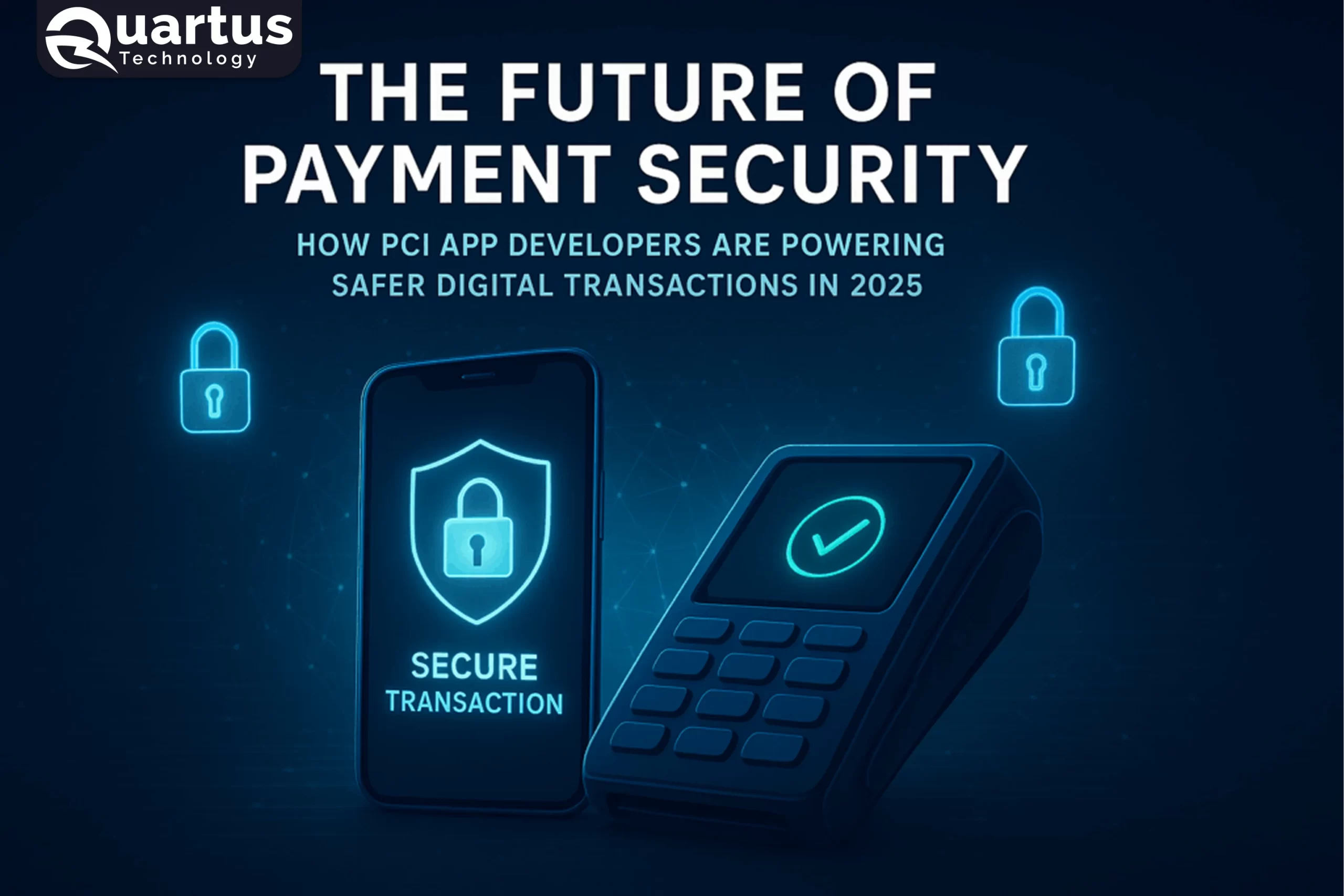
  • The Future of Payment Security: How PCI App Developers Are Powering Safer Digital Transactions in 2025

    The Future of Payment Security: How PCI App Developers Are Powering Safer Digital Transactions in 2025

    As digital payments continue to dominate the global marketplace, security has become the defining factor of trust in every online transaction. From mobile wallets and e-commerce platforms to POS systems and fintech apps — every digital payment must be secure, seamless, and compliant.

    In 2025, the role of PCI app developers has evolved from simply building secure apps to creating complete ecosystems of trust. Let’s explore how modern PCI compliance and advanced app development are shaping the future of secure digital transactions.


    1. The Rising Threat Landscape in Digital Payments

    Cyberattacks, phishing attempts, and data breaches are no longer rare — they’re daily realities. Businesses handling cardholder data are top targets for hackers who exploit outdated systems or weak encryption.

    How PCI App Developers Make a Difference:

    • Implementing end-to-end encryption (E2EE) to protect card data from the moment it’s entered.
    • Using tokenization to replace sensitive card details with unique identifiers.
    • Conducting real-time fraud detection powered by AI and machine learning.

    By building with PCI DSS standards at the core, developers help businesses stay one step ahead of evolving threats.


    2. PCI Compliance as a Competitive Advantage

    In 2025, PCI compliance isn’t just a regulatory requirement — it’s a trust badge. Consumers are more informed than ever, and they expect brands to protect their data proactively.

    Smart Businesses Are Now:

    • Promoting their PCI compliance as a trust marker.
    • Partnering with certified PCI app developers to ensure secure payment flows.
    • Using secure APIs and SDKs to keep payment gateways fully compliant.

    Working with expert PCI app developers gives businesses the confidence to operate globally, without fear of compliance breaches.


    3. AI and Automation in PCI Development

    Artificial intelligence is transforming how PCI compliance is achieved and maintained. Automated systems can now detect anomalies in real time, flagging potential vulnerabilities before they become threats.

    Innovations in 2025 Include:

    • AI-powered risk scoring for each transaction.
    • Automated compliance testing for app updates.
    • Predictive analytics to forecast security risks.

    PCI app developers are combining human expertise with AI precision — creating applications that learn, adapt, and evolve for better protection.


    4. Seamless Integration Across Payment Platforms

    From NFC-based contactless payments to mobile apps and smart POS systems, today’s users expect instant, secure payments everywhere.

    How PCI App Developers Make It Possible:

    • Building cross-platform compatibility for diverse payment gateways.
    • Ensuring multi-layer security without compromising user experience.
    • Supporting integrations for Apple Pay, Google Pay, and custom fintech wallets.

    This flexibility allows businesses to scale effortlessly while maintaining strong compliance and smooth user experiences.


    5. The Role of PCI App Developers in Global Compliance

    As countries introduce their own data protection laws (like GDPR in Europe and CCPA in California), maintaining compliance across jurisdictions has become more challenging.

    PCI app developers act as the bridge — designing systems that meet both global and regional standards, ensuring businesses remain compliant wherever they operate.


    Conclusion

    In 2025, security isn’t optional — it’s the foundation of every successful digital business.
    PCI App Developers are the invisible force keeping online payments secure, compliant, and future-ready.

    Whether you’re launching a new fintech app or upgrading your existing payment system, partnering with expert PCI developers ensures your transactions stay safe in an increasingly digital world.

    👉 Visit PCIAppDevelopers.com to discover how our experts can secure your next-generation payment applications with PCI-certified solutions.

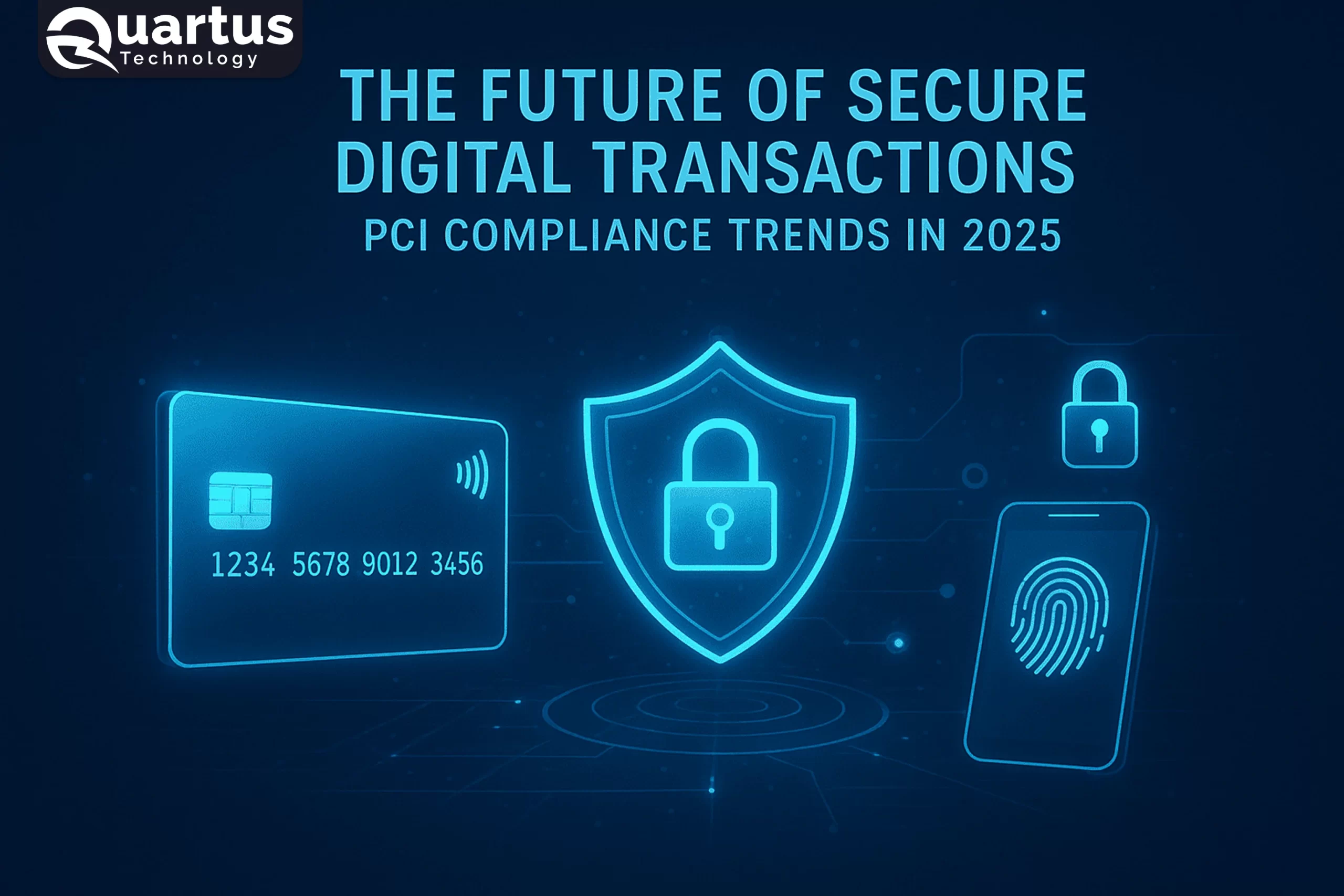
  • The Future of Secure Digital Transactions: PCI Compliance Trends in 2025

    The Future of Secure Digital Transactions: PCI Compliance Trends in 2025

    In today’s fast-moving digital economy, secure online payments have become the backbone of global commerce. With millions of transactions happening every second, businesses face immense pressure to protect customer data from cyber threats.

    That’s where PCI Compliance (Payment Card Industry Data Security Standard) plays a crucial role — setting the benchmark for security in digital payment systems.
    As we enter 2025, new technologies, regulations, and consumer expectations are reshaping the way PCI compliance is implemented and maintained.

    At PCI App Developers, we help businesses stay ahead by building secure, compliant, and future-ready payment apps.


    🔐 1. Next-Generation Encryption & Tokenization

    One of the biggest PCI compliance trends in 2025 is the adoption of AI-driven encryption and dynamic tokenization.
    Instead of relying on static encryption keys, businesses are now using rotating, context-based encryption layers — making it nearly impossible for hackers to decode sensitive payment data.

    💡 Tokenization replaces card numbers with secure digital tokens, ensuring data stays protected even if systems are breached.


    ⚙️ 2. AI & Machine Learning for Threat Detection

    The integration of AI into PCI-compliant payment systems is a game changer.
    Modern payment apps use machine learning algorithms to identify unusual patterns, prevent fraudulent transactions, and alert businesses in real time.

    🚨 AI doesn’t just detect fraud — it predicts it, helping businesses act before damage occurs.


    🧾 3. Stricter Global Compliance Enforcement

    Governments and financial institutions have introduced tighter audit rules to ensure every digital transaction follows PCI DSS 4.0 standards.
    In 2025, non-compliance can lead to heavy fines, customer data loss, and brand damage.

    ✅ Partnering with certified PCI developers ensures your app remains audit-ready at all times.


    🌍 4. Rise of Cross-Border Digital Payments

    With global e-commerce on the rise, cross-border payments are becoming the new normal.
    This trend requires apps to comply not only with PCI DSS standards but also with regional data protection laws like GDPR (Europe) and CCPA (California).

    🌐 PCI compliance is no longer optional — it’s your passport to global business growth.


    📲 5. PCI Compliance for Contactless & Mobile Payments

    As contactless payments and NFC-enabled apps dominate retail, mobile payment security is under the spotlight.
    2025 PCI standards now emphasize device-level authentication, biometric validation, and end-to-end encryption for all mobile transactions.

    🔒 Secure mobile apps = stronger user trust + better brand reputation.


    🚀 The Future is Secure, The Future is PCI-Compliant

    In 2025, success in the digital payment world depends on trust, transparency, and technology.
    Businesses that invest in PCI compliance today are the ones that will lead tomorrow’s digital economy.

    At PCI App Developers, we specialize in:

    • PCI DSS-compliant app development
    • End-to-end encryption & tokenization integration
    • AI-based fraud detection systems
    • Multi-region payment gateway solutions

    💬 Let’s build the future of secure payments — one transaction at a time.

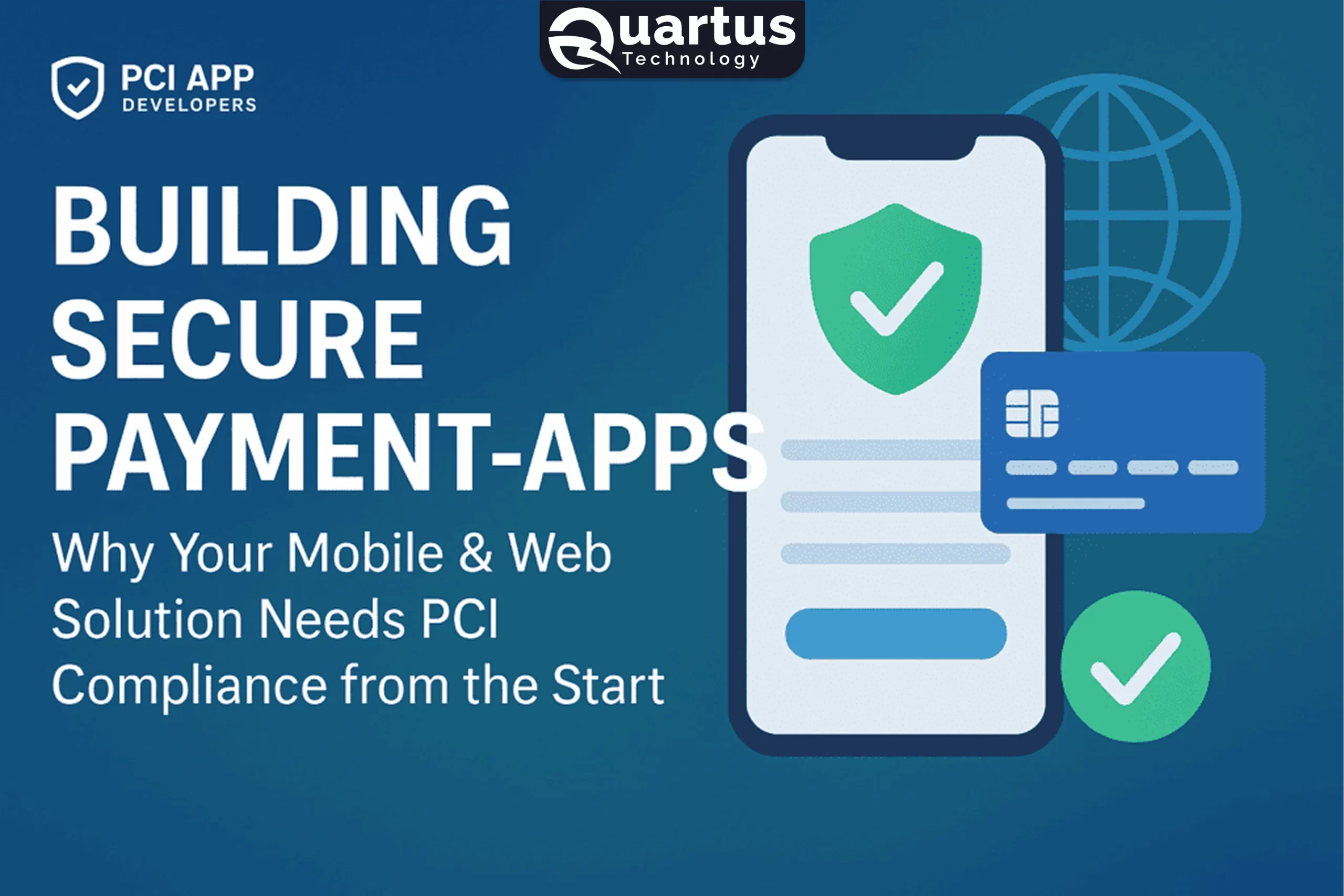
  • Building Secure Payment-Apps: Why Your Mobile & Web Solution Needs PCI Compliance from the Start

    Building Secure Payment-Apps: Why Your Mobile & Web Solution Needs PCI Compliance from the Start

    Welcome to PCI App Developers

    In the digital payments era, businesses can’t afford weak links. Every transaction, every card detail, every stored user profile is at risk. At PCI App Developers, we specialise in developing mobile and web applications that are secure, compliant and built for scale—with the rigorous standards of the Payment Card Industry Data Security Standard (PCI DSS) integrated from day one.


    Why PCI Compliance Matters — and Why Too Many Apps Miss the Mark

    • The PCI DSS is the global security baseline for any business that processes, stores or transmits cardholder data. PCI DSS GUIDE+3PCI Security Standards Council+3Security Compass+3
    • In mobile and web-app ecosystems especially, unique threats (app-tampering, reverse-engineering, insecure APIs) amplify the risk. OneSpan+1
    • A non-compliant app isn’t just a regulatory risk—it’s a brand liability, a trust killer and a technical burden.
    • But many development teams treat compliance as a “check-box at the end” rather than a foundational architecture criterion. That’s where we come in.

    Our Approach at PCI App Developers

    Here’s how we help you build payment-apps with compliance, security and performance in mind:

    1. Discovery & Scope Definition
      We start by understanding your business: transaction volumes, payment flows, regulatory obligations (merchant vs processor), and risk-profile.
    2. Secure Architecture & Coding
      • Embedding secure-by-design practices: encryption of card data in transit + at rest, strict access control, audit logging. Security Compass+1
      • For mobile/web apps: hardening against tampering, obfuscation, device binding, and secure APIs. OneSpan
    3. Compliance Integration
      • Mapping functionality to PCI-DSS controls (e.g., Requirement 3: protect stored cardholder data; Requirement 4: encrypt transmission; Requirement 6: maintain secure systems & applications) Security Compass+1
      • Assisting with Self-Assessment Questionnaires (SAQ) when applicable, audit readiness, and scope-minimisation.
    4. Testing, Validation & Continuous Monitoring
      Security is not a one-time step. We build in penetration testing, vulnerability scanning, runtime protection and ongoing review. globalpaymentsintegrated.com
    5. Deployment & Support
      Once your app is live, we help maintain compliance posture, update for new threats, ensure changes don’t introduce vulnerability, and keep your payment flows smooth and secure.

    Why Partnering with Us Gives You a Competitive Edge

    • Faster time-to-market: Because compliance and security are built in from the start, instead of being added later.
    • Reduced audit risk & cleaner certifications: With architecture compliant to PCI DSS and app-specific protections, you’ll be better positioned for merchant/processor reviews.
    • Better user trust and brand reputation: Consumers know when payment apps feel secure. Your app becomes a strength, not a liability.
    • Scalable for growth: Whether you process tens of transactions or millions, the architecture we build can evolve without full redesign.

    Who Should Read This (and Who Shouldn’t)

    This blog—and our services—are ideal for:

    • Fintech companies launching payment-apps (mobile/web) that handle card payments or integrate with processors.
    • Merchants or SaaS providers who need to embed payment flows and want to reduce PCI scope or build a compliant environment.
    • Technology teams that want to outsource secure-payments-app development, while retaining control over UX and business logic.

    This is less for:

    • Hobbyist projects that won’t process sensitive payment data.
    • Simple payment links or off-platform payment handling where card data never touches your systems (though you still need to ensure proper plugin/processor usage).

    Getting Started: Your Next Steps

    1. Book a consultation: Let’s map your payment-flows, app-scope and compliance requirements.
    2. Scope the project: We’ll provide a roadmap: architecture, tech stack, security controls, timeline and cost.
    3. Build & Deploy: We’ll deliver the app, integrated with secure payment processing, tested and audited for compliance.
    4. Maintain & Scale: We’ll support updates, compliance reviews, new features—so you stay ahead of threats and regulation.

    Final Word

    In a world where payments are ubiquitous and threats are persistent, building a secure, compliant payment-app is not optional—it’s imperative. With PCI App Developers by your side, you’ll launch with confidence, operate with peace of mind, and scale without compromise.

    Ready to build your next-gen payment app? Contact us today and let’s make security and compliance your competitive advantage.